Is Kilimanjaro Hard to Climb?

Is Kilimanjaro hard to climb? Difficulty, altitude, fitness and success rates by route, explained by local guides. Choose and book the best route for you.

Short answer: Yes — but not in the way you might expect.

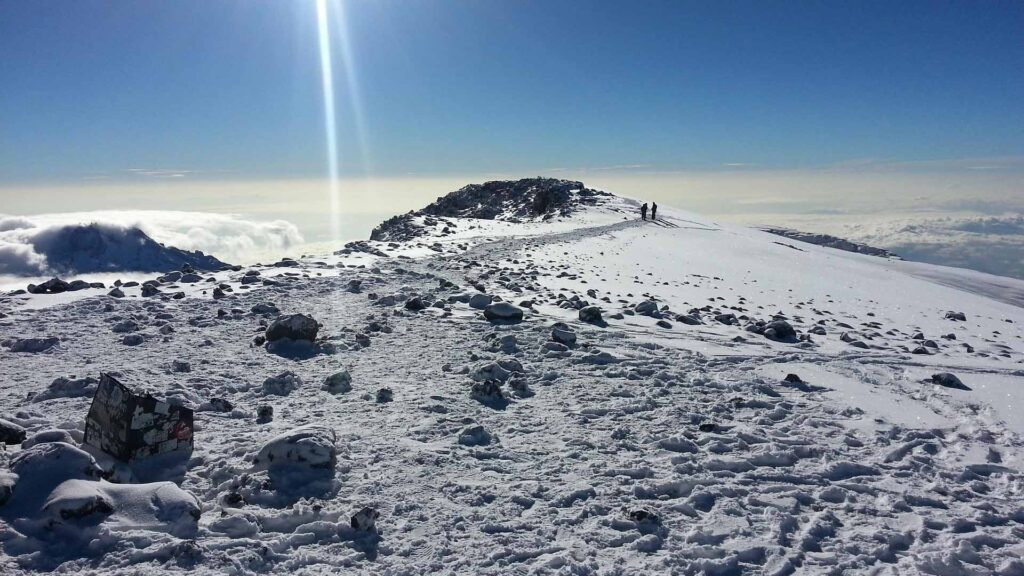
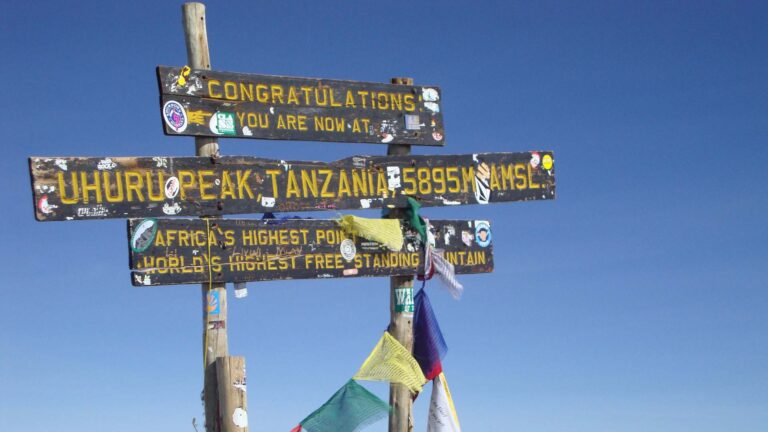
Mount Kilimanjaro is the highest free-standing mountain in the world and Africa’s tallest peak at 5,895 meters (19,341 feet). While it’s often called a “walkable” mountain — no ropes, no technical climbing — make no mistake: it’s a serious challenge.

1. 🥾 Long Trekking Hours and Distances

Most days involve 5–10 hours of hiking, depending on the route and itinerary.

  • Rocky paths, loose scree, and steep inclines.

  • Heavy backpacks and high altitude add extra strain.

  • Even fit trekkers feel the effort.


2. ⛰️ Steep Terrain

From rainforest floor to summit glaciers, the slopes can be sudden and steep.

  • Sections like the Barranco Wall can feel intimidating but are manageable with a guide.

  • Every step requires more effort as altitude increases.


3. 🌬️ Rapid Altitude Gain

Climbers ascend from under 2,000 meters to nearly 6,000 meters in less than a week.

  • Quick altitude gain leaves little time to acclimatize.

  • Symptoms like headaches, nausea, dizziness, or shortness of breath can occur.

  • Most unsuccessful summits are due to altitude sickness, not fitness.


4. 🧗‍♀️ Extreme Summit Altitude

Uhuru Peak lies in the extreme altitude zone.

  • Oxygen levels are about 50% lower than at sea level.

  • Movement feels harder, even slow walking.

  • Appetite and sleep are often affected.

This is the mountain’s biggest challenge — and it impacts everyone differently.


5. 🌧️ Wet and Slippery Forest Conditions

The first day is through the lush rainforest, which is beautiful but often muddy and humid.

  • Slippery paths and leeches in some seasons.

  • Sudden rain is common.

  • Proper boots, gaiters, and rain gear are essential.


6. ❄️ Extreme Cold Near the Summit

Temperatures at summit night can drop to –10°C to –20°C (14°F to –4°F), excluding wind chill.

  • Warm, insulated layers, gloves, and a good sleeping bag are vital.


7. 🌌 Night-Time Summit Push

The toughest part of the trek.

  • Wake around midnight for a 6–8 hour climb in darkness, cold, and thin air.

  • Physically and mentally exhausting — but sunrise at Uhuru Peak is unforgettable.


8. 🏕️ Camping and Basic Hygiene

Unless on the Marangu route (huts), you’ll sleep in tents.

  • No showers and limited toilets (drop toilets or private toilet tents).

  • Bucket washes or wet wipes.

  • Sleeping on rocky ground.

Preparation is key — this is all part of the adventure.

💬 Final Thoughts: Can You Do It?

Yes — Kilimanjaro is hard due to:

  • Altitude

  • Physical effort

  • Basic living conditions

  • Mental pressure

Thousands of people summit every year — from first-time hikers to seniors. With proper training, gear, mindset, and a good guide team, you absolutely can do it.

It’s not easy — but it’s achievable.
The reward? One of the most inspiring sunrises on Earth.

Plan Your Trip: Is Kilimanjaro Hard to Climb?

is Kilimanjaro hard to climb

Turn this guide into your own adventure. Our local team at Zanzibar Tanzania can arrange everything for you:

Keep reading: Is Staying at Kilimanjaro Crater Camp a Good Idea? · Can You Climb Kilimanjaro Without a Guide?

Helpful resource: Mount Kilimanjaro facts (Wikipedia)

Have questions? Contact our travel experts or book your trip now – we reply within 24 hours.

Book Custom Trip Today

📞 Book Your Tanzania Safari Today!

Let us help you plan your dream safari adventure.

📩 Email: info@zanzibartanzania.co.tz
📞 Phone / WhatsApp: +255 657 624 466
🌍 Website: www.zanzibartanzania.co.tz

All Kilimanjaro Routes Ranked by Acclimatisation

Ready to Climb Kilimanjaro?

Preparation is the foundation of a successful Kilimanjaro trek. By training properly, choosing the right gear, and planning your route wisely, you’ll be one step closer to conquering Africa’s tallest peak.

Start preparing today—and make your Kilimanjaro dream a reality!

Frequently Asked Questions – Zanzibar Tanzania Cars Rental

You can rent a car easily by booking online through our website, sending us an email, or visiting our office in Zanzibar. Simply choose your preferred car, rental dates, and pickup location, and we’ll confirm your booking instantly.

You’ll need:

A valid driver’s license (international or national)

A copy of your passport

A temporary Zanzibar driving permit (we can help you obtain it upon arrival)

Yes, you can. However, you’ll also need a temporary local driving permit, which we can arrange for you within minutes.

We offer a wide range of vehicles including:

Compact cars for city drives

SUVs and 4x4s for island exploration

Vans and minibuses for groups or families

Luxury cars for special occasions

Yes, we offer both automatic and manual cars to suit your driving preference.

Our rates vary depending on the type of vehicle, rental duration, and season. We offer affordable daily, weekly, and monthly packages. Contact us for a personalized quote.

Yes, all our vehicles come with basic insurance coverage. Comprehensive insurance options are also available at an additional cost.

Absolutely! We provide free pickup and delivery services to Zanzibar Airport, Stone Town, or your hotel anywhere on the island.

No, our rentals come with unlimited mileage, allowing you to explore Zanzibar freely.

In the rare case of a breakdown, we offer 24/7 roadside assistance and will replace your car as quickly as possible.

Yes, a small refundable deposit may be required depending on the vehicle type and rental period. It will be returned once the car is returned in good condition.

Yes, we offer professional driver services if you prefer a chauffeur-driven experience.

Cars are provided with a specific fuel level and should be returned with the same amount. Full-to-full fuel policy is preferred.

No, cars rented in Zanzibar must remain on the island and cannot be taken to mainland Tanzania.

We accept payments via cash (USD, TZS, or EUR), credit/debit cards, and mobile payments. Online payments are also available for convenience.

Yes, child seats are available upon request at a small extra charge.

Yes, we offer discounted long-term car rental options for monthly or extended stays in Zanzibar.

We operate 24 hours a day, 7 days a week, including weekends and holidays.

Book from the Hired Cars in Zanzibar

Per day price $ 30

2002, 2005, 2009

Per day price $ 45