What is the Best Training for Kilimanjaro?

What is the best training for Kilimanjaro? Hiking, cardio, strength and altitude prep that actually helps you summit. Book your climb when you're ready.

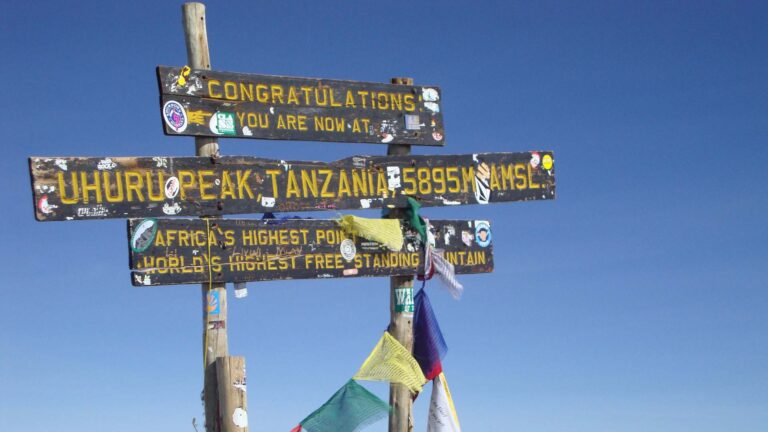
Climbing Mount Kilimanjaro is a life-changing adventure — but it’s no walk in the park. Standing at 5,895 meters (19,341 ft), Kilimanjaro is the highest peak in Africa and a challenging high-altitude trek. To give yourself the best chance of reaching the summit, solid preparation is key — especially physical and mental training.

Whether you’re an experienced hiker or a first-time trekker, this guide will show you the best ways to train for Kilimanjaro.

💪 How Fit Do I Need to Be?

You don’t need to be a marathon runner or elite athlete — but you do need endurance, determination, and preparation. Kilimanjaro is a multi-day trek with:

  • Steep climbs

  • Long trekking days

  • Limited oxygen as you gain altitude

If you can comfortably:

  • Walk or hike 6–8 hours a day

  • Climb stairs or slopes with a backpack

  • Recover well after physical activity

…you’re on the right track. But don’t leave it to chance — train with purpose.

🚀 Take Your Physical Prep Seriously

Kilimanjaro isn’t technical (no ropes or ice axes), but it demands:

  • Endurance

  • Strength

  • Resilience under strain

Altitude sickness is unpredictable, so the better your body performs, the higher your chances of success.

Training period: at least 2–3 months of focused preparation. Focus on conditioning for:

  • Consecutive days of long walking

  • Altitude pressure

  • Cold temperatures and variable terrain

🏋️‍♀️ Kilimanjaro Training Blueprint

Here’s a 6-part plan to get you mountain-ready:

1. Strength Training
Focus on legs, core, and stabilizers for uphill power and controlled descents.

  • Lunges, squats, step-ups (with weights)

  • Deadlifts

  • Core: planks, Russian twists

  • Calf raises

Frequency: 2–3x per week. Strong legs = stronger summit push.

2. Aerobic Training (Endurance)
Build oxygen efficiency for high-altitude trekking.

  • Long-distance walking

  • Cycling

  • Swimming or rowing

Frequency: 3–5x per week, 45–90 minutes per session.

3. Cardiovascular Training (High-Intensity)
Improve heart-lung capacity and stamina for steep inclines.

  • Stair climbing

  • Hill sprints

  • Interval circuits (jump rope, burpees, mountain climbers)

Frequency: 1–2x per week with rest days in between.

4. Training Hikes (Real-World Practice)
Simulate Kilimanjaro with back-to-back hikes carrying a daypack.

  • Weekly hikes on trails with elevation gain

  • Gradually increase pack weight to 6–10 kg

  • Do 2-day hikes to practice recovery

  • Break in trekking boots and test gear

5. Keep Up the Motivation
Consistency is key. Stay motivated by:

  • Following a training schedule

  • Joining a local hiking group

  • Watching Kilimanjaro vlogs or reading success stories

  • Rewarding yourself for milestones

  • Visualizing your summit photo!

6. 🧭 Need Guidance?
Not sure where to start or need a personalized plan?
Reach out to our team — we’ve climbed Kilimanjaro and are ready to help you succeed.

🌟 Final Thought

Training for Kilimanjaro isn’t just about getting fit — it’s about building confidence. Proper preparation increases your chances of reaching Uhuru Peak and makes the journey far more enjoyable.

Train hard. Climb strong. See you at the summit!

Plan Your Trip: Best Training for Kilimanjaro

best training for Kilimanjaro

Turn this guide into your own adventure. Our local team at Zanzibar Tanzania can arrange everything for you:

Keep reading: Ladies, Let’s Talk Hygiene on Kilimanjaro · Keep Your Feet Happy on Kilimanjaro: 6 Simple Tips

Helpful resource: Mount Kilimanjaro facts (Wikipedia)

Have questions? Contact our travel experts or book your trip now – we reply within 24 hours.

Book Custom Trip Today

📞 Book Your Tanzania Safari Today!

Let us help you plan your dream safari adventure.

📩 Email: info@zanzibartanzania.co.tz
📞 Phone / WhatsApp: +255 657 624 466
🌍 Website: www.zanzibartanzania.co.tz

All Kilimanjaro Routes Ranked by Acclimatisation

Ready to Climb Kilimanjaro?

Preparation is the foundation of a successful Kilimanjaro trek. By training properly, choosing the right gear, and planning your route wisely, you’ll be one step closer to conquering Africa’s tallest peak.

Start preparing today—and make your Kilimanjaro dream a reality!

Frequently Asked Questions – Zanzibar Tanzania Cars Rental

You can rent a car easily by booking online through our website, sending us an email, or visiting our office in Zanzibar. Simply choose your preferred car, rental dates, and pickup location, and we’ll confirm your booking instantly.

You’ll need:

A valid driver’s license (international or national)

A copy of your passport

A temporary Zanzibar driving permit (we can help you obtain it upon arrival)

Yes, you can. However, you’ll also need a temporary local driving permit, which we can arrange for you within minutes.

We offer a wide range of vehicles including:

Compact cars for city drives

SUVs and 4x4s for island exploration

Vans and minibuses for groups or families

Luxury cars for special occasions

Yes, we offer both automatic and manual cars to suit your driving preference.

Our rates vary depending on the type of vehicle, rental duration, and season. We offer affordable daily, weekly, and monthly packages. Contact us for a personalized quote.

Yes, all our vehicles come with basic insurance coverage. Comprehensive insurance options are also available at an additional cost.

Absolutely! We provide free pickup and delivery services to Zanzibar Airport, Stone Town, or your hotel anywhere on the island.

No, our rentals come with unlimited mileage, allowing you to explore Zanzibar freely.

In the rare case of a breakdown, we offer 24/7 roadside assistance and will replace your car as quickly as possible.

Yes, a small refundable deposit may be required depending on the vehicle type and rental period. It will be returned once the car is returned in good condition.

Yes, we offer professional driver services if you prefer a chauffeur-driven experience.

Cars are provided with a specific fuel level and should be returned with the same amount. Full-to-full fuel policy is preferred.

No, cars rented in Zanzibar must remain on the island and cannot be taken to mainland Tanzania.

We accept payments via cash (USD, TZS, or EUR), credit/debit cards, and mobile payments. Online payments are also available for convenience.

Yes, child seats are available upon request at a small extra charge.

Yes, we offer discounted long-term car rental options for monthly or extended stays in Zanzibar.

We operate 24 hours a day, 7 days a week, including weekends and holidays.

Book from the Hired Cars in Zanzibar

Per day price $ 30

2002, 2005, 2009

Per day price $ 45