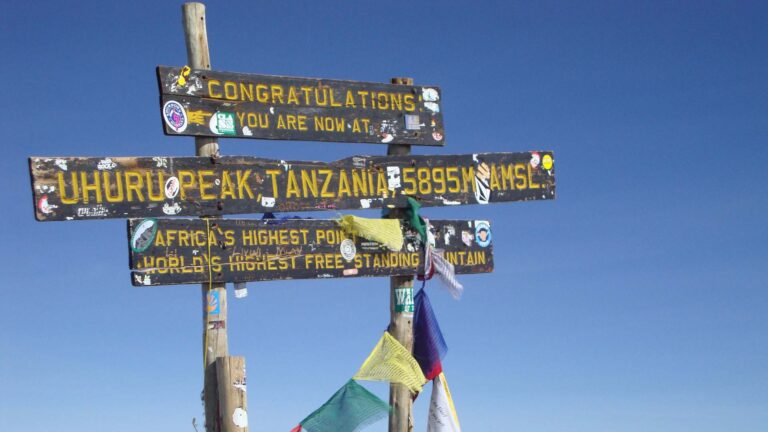
What Is the Best Way to Acclimatize When Climbing Kilimanjaro?

Kilimanjaro acclimatization made simple: climb high, sleep low, longer routes and pacing. Book an 8-day route for higher summit success.

Acclimatisation is one of the most important factors for a safe and successful summit of Mount Kilimanjaro. In fact, understanding how your body adjusts to altitude — and planning accordingly — can mean the difference between reaching Uhuru Peak or turning back early.

Below, we explain what acclimatisation is, why it matters, and how you can prepare your body for the altitude challenge ahead.

🌬️ What Is Acclimatisation?

Acclimatisation is the process by which your body gradually adjusts to lower oxygen levels at higher altitudes.

At sea level, oxygen is abundant. However, as you ascend Kilimanjaro, the air becomes thinner, and your body must work harder to absorb oxygen. Over time, acclimatisation allows your lungs and circulatory system to adapt, which reduces the risk of altitude sickness.


❗ Is Acclimatisation Really Such a Big Deal?

Yes — it’s critical.

Altitude sickness (Acute Mountain Sickness or AMS) can affect anyone, regardless of age or fitness level. For example, common symptoms include:

  • Headaches

  • Nausea

  • Fatigue

  • Insomnia

  • Dizziness

If untreated, it can escalate into serious, life-threatening conditions such as HAPE (High Altitude Pulmonary Edema) or HACE (High Altitude Cerebral Edema).

As a result, without proper acclimatisation, even the strongest hikers may have to abandon their climb.


✅ How Do I Ensure I Acclimatise Properly?

Here are expert-recommended strategies to improve acclimatisation on Kilimanjaro:

  1. Choose a longer route
    More days on the mountain means more time to adjust. For this reason, the Northern Circuit, Lemosho, and Machame routes offer the best acclimatisation profiles.

  2. Follow the “climb high, sleep low” rule
    Hike to a higher elevation during the day, then descend to sleep at a lower camp. In this way, your body learns to adapt gradually.

  3. Stay well-hydrated
    Dehydration makes acclimatisation harder. Therefore, drink at least 3–4 liters of water per day.

  4. Hike slowly
    Avoid rushing. Instead, keep a slower pace so your body can conserve energy and adapt naturally.

  5. Consider altitude medication
    Medications like Diamox can aid acclimatisation. Still, speak to your doctor before your trip.

  6. Avoid alcohol and smoking
    Both impair oxygen absorption and also slow the acclimatisation process.

  7. Listen to your body
    Report any symptoms of altitude sickness to your guide immediately. After all, it’s better to descend and stay safe than to push through and risk your health.

Final Thoughts

Acclimatisation is not optional — it’s essential. That is why, at Zanzibar Tanzania, we prioritize your health and summit success by:

  • Recommending the best routes for gradual elevation gain

  • Training our guides to monitor your health daily

  • Offering support and guidance every step of the way

In short, climb Kilimanjaro the smart way, and you increase your chances of a safe, successful, and unforgettable summit.

Plan Your Trip: Kilimanjaro Acclimatization

Kilimanjaro acclimatization

Finally, turn this guide into your own adventure. In addition, our local team at Zanzibar Tanzania can arrange everything for you:

Keep reading: Kilimanjaro Altitude Sickness – A Comprehensive Guide · Oxygen for Climbing Mount Kilimanjaro: What You Need to Know

Helpful resource: NHS guide to altitude sickness

Have questions? Then contact our travel experts or book your trip now – we reply within 24 hours.

Book Custom Trip Today

📞 Book Your Tanzania Safari Today!

Let us help you plan your dream safari adventure.

📩 Email: info@zanzibartanzania.co.tz
📞 Phone / WhatsApp: +255 657 624 466
🌍 Website: www.zanzibartanzania.co.tz

All Kilimanjaro Routes Ranked by Acclimatisation

Ready to Climb Kilimanjaro?

Above all, preparation is the foundation of a successful Kilimanjaro trek. By training properly, choosing the right gear, and planning your route wisely, you’ll be one step closer to conquering Africa’s tallest peak.

Start preparing today—and make your Kilimanjaro dream a reality!

Frequently Asked Questions – Zanzibar Tanzania Cars Rental

You can rent a car easily by booking online through our website, sending us an email, or visiting our office in Zanzibar. Simply choose your preferred car, rental dates, and pickup location, and we’ll confirm your booking instantly.

You’ll need:

A valid driver’s license (international or national)

A copy of your passport

A temporary Zanzibar driving permit (we can help you obtain it upon arrival)

Yes, you can. However, you’ll also need a temporary local driving permit, which we can arrange for you within minutes.

We offer a wide range of vehicles including:

Compact cars for city drives

SUVs and 4x4s for island exploration

Vans and minibuses for groups or families

Luxury cars for special occasions

Yes, we offer both automatic and manual cars to suit your driving preference.

Our rates vary depending on the type of vehicle, rental duration, and season. We offer affordable daily, weekly, and monthly packages. Contact us for a personalized quote.

Yes, all our vehicles come with basic insurance coverage. Comprehensive insurance options are also available at an additional cost.

Absolutely! We provide free pickup and delivery services to Zanzibar Airport, Stone Town, or your hotel anywhere on the island.

No, our rentals come with unlimited mileage, allowing you to explore Zanzibar freely.

In the rare case of a breakdown, we offer 24/7 roadside assistance and will replace your car as quickly as possible.

Yes, a small refundable deposit may be required depending on the vehicle type and rental period. It will be returned once the car is returned in good condition.

Yes, we offer professional driver services if you prefer a chauffeur-driven experience.

Cars are provided with a specific fuel level and should be returned with the same amount. Full-to-full fuel policy is preferred.

No, cars rented in Zanzibar must remain on the island and cannot be taken to mainland Tanzania.

We accept payments via cash (USD, TZS, or EUR), credit/debit cards, and mobile payments. Online payments are also available for convenience.

Yes, child seats are available upon request at a small extra charge.

Yes, we offer discounted long-term car rental options for monthly or extended stays in Zanzibar.

We operate 24 hours a day, 7 days a week, including weekends and holidays.

Book from the Hired Cars in Zanzibar

Per day price $ 30

2002, 2005, 2009

Per day price $ 45