Mt Kilimanjaro Eruption: Exploring Its Volcanic Past with Zanzibar Tanzania

Kilimanjaro eruption history: is it an active volcano? Kibo crater and its volcanic past explained. Explore the crater – book your Kilimanjaro climb.

Mount Kilimanjaro isn’t just Africa’s tallest mountain—it’s also a massive stratovolcano with a fascinating geological history. While today it draws climbers and nature lovers from all over the globe, its volcanic roots stretch back millions of years. Zanzibar Tanzania offers insights into its eruption history, current status, and its significance to the region.

The Majestic Mountain: Understanding Mount Kilimanjaro

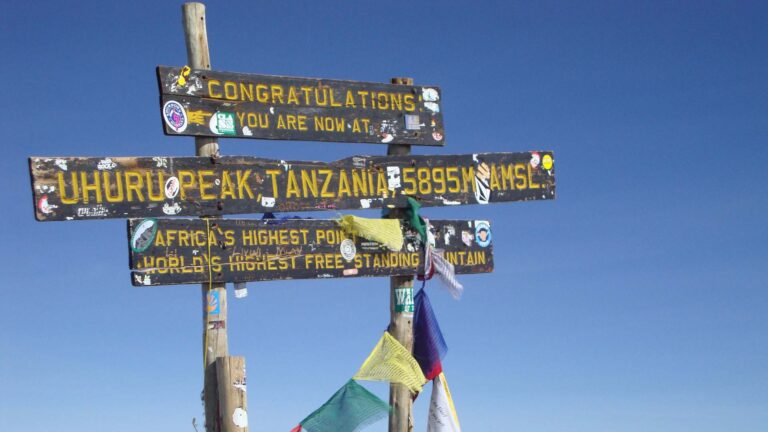
Mount Kilimanjaro rises 5,895 meters (19,341 feet) above sea level, making it the highest free-standing mountain in the world. Located in northeastern Tanzania, Kilimanjaro is a massif composed of three volcanic cones: Kibo, Mawenzi, and Shira. Of these, Kibo is the tallest and the only cone showing potential volcanic activity today.

Kilimanjaro’s Volcanic Nature

Kilimanjaro is a stratovolcano, formed by layers of lava, ash, and volcanic debris. Its formation began over a million years ago due to tectonic activity along the East African Rift Valley. Despite being dormant, the mountain’s volcanic features—crater rims, lava fields, and fumaroles—remain prominent today.

A History of Dormancy: Kilimanjaro’s Eruption Timeline

The last major eruption occurred over 360,000 years ago, but minor volcanic activity continued until about 200,000 years ago. Since then, Kilimanjaro has remained dormant. Steam vents, known as fumaroles, still emit gases, showing ongoing geothermal activity beneath the surface.

The Sleeping Giant: Will Kilimanjaro Erupt Again?

Currently dormant, Kilimanjaro is still considered a potentially active volcano. Scientists cannot predict if or when it might erupt again, but current geological readings indicate no immediate threat. The mountain is closely monitored to ensure the safety of locals and climbers.

Monitoring Kilimanjaro: Modern Scientific Efforts

Geologists and volcanologists track Kilimanjaro using:

  • Satellite imaging

  • Seismic sensors

  • Gas emission analysis

These methods help detect changes in volcanic activity early, keeping climbers and surrounding communities safe.

Kilimanjaro’s Role in the Local Economy

Kilimanjaro is vital for Tanzania’s tourism industry. Thousands of climbers attempt the summit each year, supporting local guides, porters, and businesses. The mountain also provides freshwater to nearby communities through glacial melt and high-altitude rainfall.

Climbing Kilimanjaro: Routes, Challenges, and Precautions

Despite its volcanic origin, Kilimanjaro is non-technical to climb. Multiple routes offer unique experiences, but climbers must still prepare for:

  • Altitude sickness

  • Cold temperatures

  • Challenging terrain at higher elevations

Zanzibar Tanzania ensures climbers receive guidance and support for a safe and enjoyable trek.

Preserving Kilimanjaro for Future Generations

Kilimanjaro faces threats from climate change, glacial retreat, and deforestation. Conservation efforts include:

  • Reforestation projects

  • Eco-tourism guidelines

  • Environmental awareness campaigns

These initiatives aim to protect Kilimanjaro’s beauty and resources for future generations.

The Legacy of Kilimanjaro

From its fiery origins to its snow-capped serenity, Kilimanjaro’s legacy is enduring. It is not only a physical landmark, but also a symbol of resilience, natural beauty, and cultural heritage. Understanding its volcanic past enhances our appreciation for this incredible wonder of Tanzania.

Plan Your Trip: Kilimanjaro Eruption

Kilimanjaro eruption

Turn this guide into your own adventure. Our local team at Zanzibar Tanzania can arrange everything for you:

Keep reading: Where Is Kilimanjaro? · 10 Interesting Facts About Mount Kilimanjaro with Zanzibar Tanzania

Helpful resource: Kibo volcano (Wikipedia)

Have questions? Contact our travel experts or book your trip now – we reply within 24 hours.

Book Custom Trip Today

📞 Book Your Tanzania Safari Today!

Let us help you plan your dream safari adventure.

📩 Email: info@zanzibartanzania.co.tz
📞 Phone / WhatsApp: +255 657 624 466
🌍 Website: www.zanzibartanzania.co.tz

Climbing Mount Kilimanjaro FAQs

Ready to Explore Wildlife in Style?

Ready to explore wildlife in style? Embark on a journey where comfort meets adventure as you discover Tanzania’s breathtaking landscapes, vibrant wildlife, and unforgettable natural wonders. Enjoy expertly planned safaris, stylish accommodations, and a smooth, safe travel experience designed to make every moment special. Your dream wildlife adventure starts here—premium, memorable, and tailored just for you.

Frequently Asked Questions – Zanzibar Tanzania Cars Rental

You can rent a car easily by booking online through our website, sending us an email, or visiting our office in Zanzibar. Simply choose your preferred car, rental dates, and pickup location, and we’ll confirm your booking instantly.

You’ll need:

A valid driver’s license (international or national)

A copy of your passport

A temporary Zanzibar driving permit (we can help you obtain it upon arrival)

Yes, you can. However, you’ll also need a temporary local driving permit, which we can arrange for you within minutes.

We offer a wide range of vehicles including:

Compact cars for city drives

SUVs and 4x4s for island exploration

Vans and minibuses for groups or families

Luxury cars for special occasions

Yes, we offer both automatic and manual cars to suit your driving preference.

Our rates vary depending on the type of vehicle, rental duration, and season. We offer affordable daily, weekly, and monthly packages. Contact us for a personalized quote.

Yes, all our vehicles come with basic insurance coverage. Comprehensive insurance options are also available at an additional cost.

Absolutely! We provide free pickup and delivery services to Zanzibar Airport, Stone Town, or your hotel anywhere on the island.

No, our rentals come with unlimited mileage, allowing you to explore Zanzibar freely.

In the rare case of a breakdown, we offer 24/7 roadside assistance and will replace your car as quickly as possible.

Yes, a small refundable deposit may be required depending on the vehicle type and rental period. It will be returned once the car is returned in good condition.

Yes, we offer professional driver services if you prefer a chauffeur-driven experience.

Cars are provided with a specific fuel level and should be returned with the same amount. Full-to-full fuel policy is preferred.

No, cars rented in Zanzibar must remain on the island and cannot be taken to mainland Tanzania.

We accept payments via cash (USD, TZS, or EUR), credit/debit cards, and mobile payments. Online payments are also available for convenience.

Yes, child seats are available upon request at a small extra charge.

Yes, we offer discounted long-term car rental options for monthly or extended stays in Zanzibar.

We operate 24 hours a day, 7 days a week, including weekends and holidays.

Book from the Hired Cars in Zanzibar

Per day price $ 30

2002, 2005, 2009

Per day price $ 45